How To Deal With Trolls
The Meaning of Colors
August 18, 2011SkaDate Presents: Online Dating Around the Globe
December 15, 2011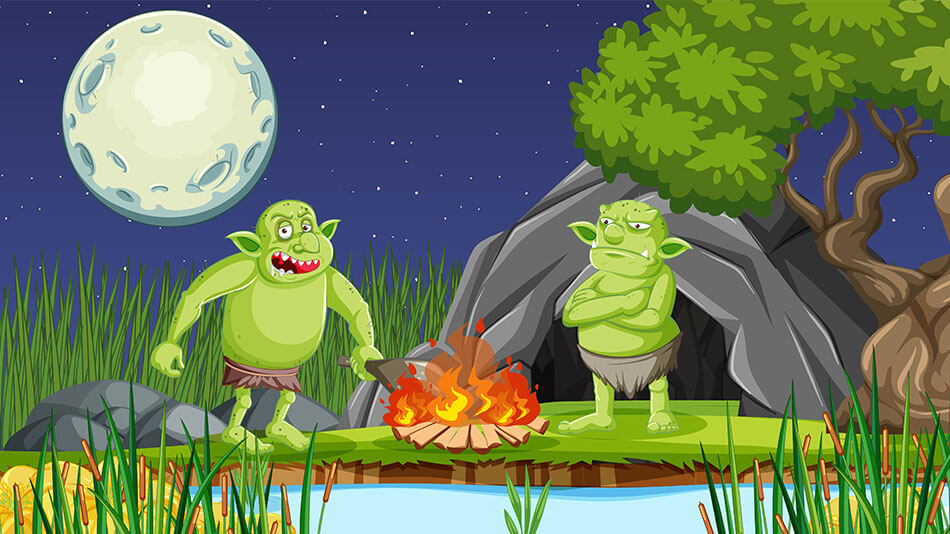
Online trolls are everywhere. They post negative comments, personal attacks, name calling, and abusive behavior under fake names or anonymously – all for the sole purpose of provoking reactions. Whether you’re running a dating site, a brand account on Facebook, Instagram, or TikTok, or just sharing your life on social media, learning how to deal with social media trolls is essential to protect your mental health, community, and brand’s reputation.
In 2025–2026, studies show that 15–20% of online interactions are affected by trolling. Trolls thrive on chaos and feed on emotional reactions – they downplay the harm by saying “you’re overreacting.” But the impact is real: online harassment can damage trust, boost negative sentiment, and even lead to legal action in severe cases.
What Is an Internet Troll and Why Do They Do It?
When an individual behaves like an troll, he or she uses the internet to cause tension and distress between groups and uses the anonymity of the internet to do so. This is because there are no repercussions for doing so in the real world.
Studies done on psychology relate trolling behaviours to what is called the Dark Tetrad of personality traits: Sadism, Narcissism, Psychopath, Machiavellianism. Typically, trolls target underdimensided members of society (i.e., women, people of various ethnic backgrounds, and members of the LGBTQ+ community) because it gives them a feeling of power and control over a group of individuals without being held accountable for their actions.
Most trolls use a name that can be verified to be fake; thus making them difficult to document. Often times, trolls will justify their unacceptable behaviour through claiming that words don’t mean anything and/or that people who are upset by their trolling are being “too sensitive.” However, words do hurt – particularly when used to provoke and attack in a hostile manner.
The Real Impact of Online Trolls
Constant negativity, fear and sadness leads to individuals taking a break from socially-related media due to their mental health.
For brands and communities too, trolling has a negative impact on their brand reputation and customer trust. It will deter your audience from wanting to come back to you. One abusive viral thread can destroy both engagement and sales. Furthermore, trolls thrive when they are ignored, however by engaging; the situation is only made harsher.
Effective Strategies: How to Deal with Social Media Trolls
The golden rule: do not feed the trolls. They thrive on your reaction – ignore, and most move on.
- Ignore Them In most cases, the best response is no response. Trolls want attention; denying it starves them. Don’t engage in arguments or try to prove a point logically – it rarely works.
- Block and Mute Trolls Use platform tools to block trolls, mute notifications, or restrict comments. This limits their access and protects your peace.
- Report Trolls and Abusive Behavior Many social media platforms allow users to report trolls for harassment, hate speech, or harmful content. Provide evidence (screenshots) – it helps moderators act.
- Use Humor or Polite Responses Sometimes, humor can disarm trolls and neutralize negativity. A light, witty reply shows you’re unbothered and entertains your audience. For example: “Thanks for the feedback! Hope your day gets better.” But only if it fits your brand – never escalate.
- Maintain Professionalism If responding, stay calm and fact-based. This reflects positively on your brand’s integrity and turns the conversation in your favor.
- Monitor and Use Tools Social listening tools track brand mentions and keywords. AI-powered sentiment analysis detects negative sentiment early. Develop a clear response plan to ensure consistent, ethical reactions.
- Distinguish Trolls from Genuine Complaints Not every negative comment is trolling. Address real users professionally – it can boost engagement and loyalty.
- Protect Your Mental Health If trolling overwhelms you, take breaks, talk to friends, or seek support. You’re not afraid – you’re smart.
For dating sites and online communities (like those powered by SkaDate): enable strong moderation, auto-filters, IP bans, or paid access to deter trolls. This creates a safe space for real connections.
When to Escalate: Evidence, Reporting, and Legal Action
Collecting evidence (screenshots, recordings) is important for reporting trolls or potential legal action. If behavior escalates to harassment or bullying, seek legal counsel. In jurisdictions like Australia, cyberbullying is an offense.
Document incidents – crucial for platforms and authorities.
Final Thoughts
Dealing with trolls is part of online life in 2026, but you don’t have to let them win. Focus on your community, audience, and positive interactions. With the right strategy – ignore, block, report, stay professional – you protect your space and even turn negativity into opportunities.
Great advice: don’t let words from strangers define you. Your voice matters, your community matters, and your peace matters most.
For dating platforms or communities looking for built-in troll protection (advanced moderation, AI filters, safe paid access), check SkaDate’s features – we’ve been helping create troll-resistant online spaces since 2005.
Stay safe, stay positive, and keep building.
FAQ: Common Questions About Dealing with Online Trolls
1) Do trolls thrive on emotional reactions?
Yes – trolls thrive on chaos and feed on negative reactions. Ignoring is often the best way to make them move on.
2) What if a troll uses abusive behavior or hate speech?
Report to the platform immediately. Many platforms allow users to report abusive behavior and remove harmful content.
3) Should I respond to trolls?
In most cases, no. Do not engage – it escalates. Use humor sparingly or redirect to positive discussions.
4) How does trolling affect brands?
It can harm brand’s reputation, customer trust, and engagement. Professional responses and monitoring help mitigate.
5) What tools help detect trolls early?
Social listening tools, AI sentiment analysis, and monitoring conversations around your brand.
6) Is there psychology behind trolling?
Yes – correlation with Dark Tetrad: sadism, narcissism, psychopathy, Machiavellianism. Anonymity makes them feel powerful.
7) When should I take legal action?
If it involves harassment or hate speech, collect evidence and consult legal counsel. Some countries treat cyberbullying as an offense.
8) How to protect mental health from online trolls?
Take breaks, block/mute, focus on support from friends and community.
9) Can humor help deal with trolls?
Yes – using humor can effectively diffuse tense situations and disarm trolls, if done respectfully.
10) Are trolls and genuine critics the same?
No – distinguish them. Address complaints professionally; ignore those whose sole purpose is disruption.